




1311 S 204th St
Elkhorn, NE 68022


Chronic Eye Redness vs. Seasonal Allergies: When to Trade Antihistamines for Definitive Dry Eye Care in West Omaha
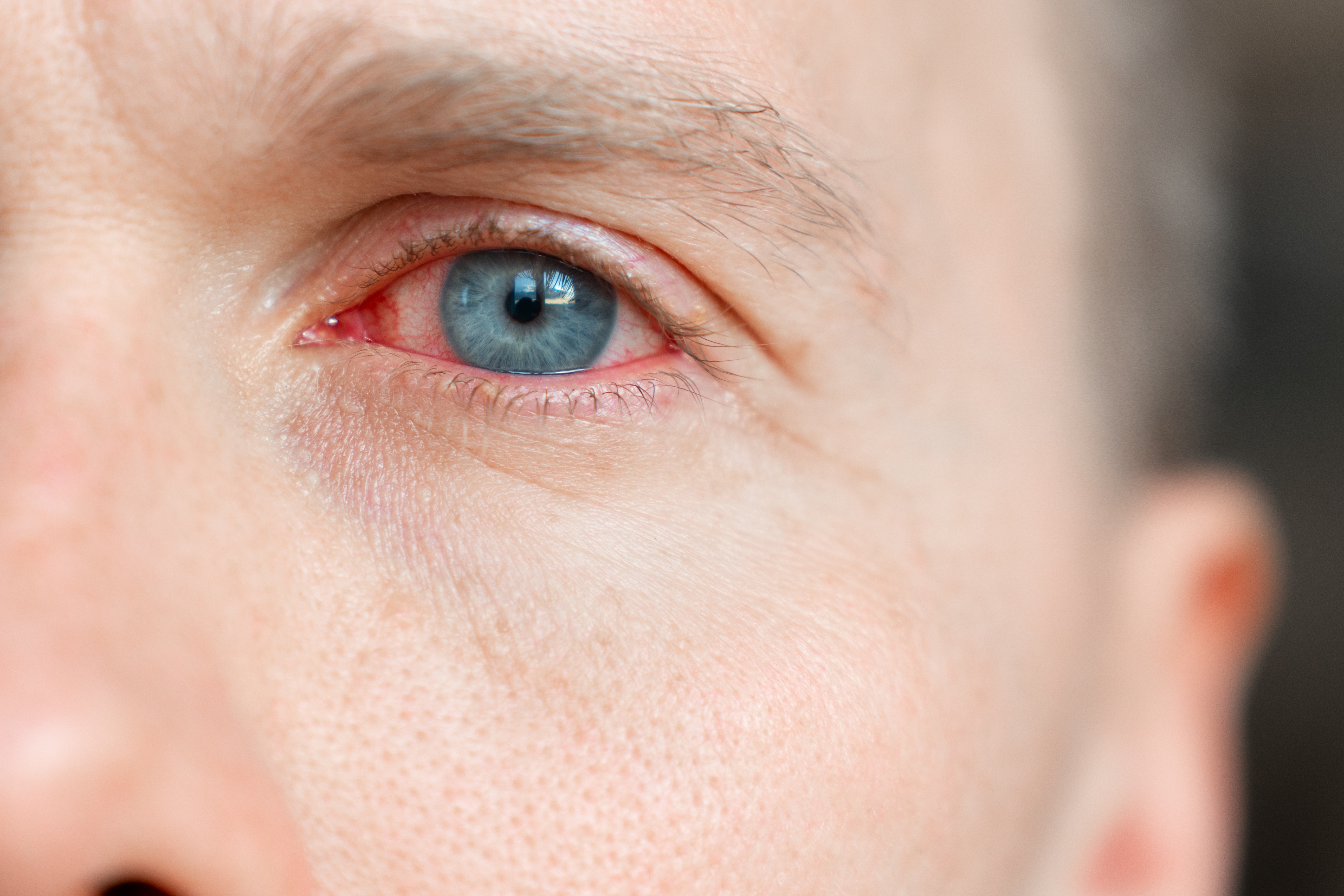
Red, irritated eyes are often blamed on seasonal allergies, especially when pollen counts rise in West Omaha. While allergies can cause redness, watering, swelling, and intense itching, persistent symptoms may point to dry eye disease instead. The two conditions can overlap, which is why repeatedly taking antihistamines or using allergy drops may not solve the underlying problem.
Understanding the difference can help you avoid months of temporary relief and find treatment that supports lasting eye comfort.
Is It an Eye Allergy or Dry Eye?
Itching is often the strongest clue that seasonal allergies are involved. Allergic eye symptoms may appear after exposure to pollen, grass, pets, mold, or dust and can occur along with sneezing or nasal congestion. Both eyes are usually affected.
Dry eye symptoms are more likely to include burning, stinging, a gritty sensation, fluctuating blurry vision, light sensitivity, and discomfort while wearing contact lenses. Some people also experience excessive watering because irritated eyes produce reflex tears that do not remain stable on the eye’s surface.
In West Omaha, wind, outdoor allergens, summer heat, indoor air conditioning, and extended screen use can all contribute to eye irritation. Because several triggers may be present at once, symptoms alone do not always provide a clear answer.
When Antihistamines May Make Dryness Worse
Antihistamines can be useful when histamine is causing allergy-related itching and swelling. However, some oral and topical antihistamines can reduce tear production or increase eye dryness. This can create a frustrating cycle where itching improves but burning, redness, or grittiness continues.
Do not stop a prescribed medication without speaking with the appropriate healthcare provider. Instead, schedule an eye evaluation when symptoms remain frequent, return quickly after treatment, or continue beyond your usual allergy season.
Signs You May Need a Dry Eye Evaluation
Chronic eye redness deserves professional attention when it is not responding as expected. Consider scheduling an evaluation if you notice:
- Redness, burning, or stinging that lasts for weeks
- Blurry vision that improves temporarily after blinking
- Watery eyes despite a dry or gritty feeling
- Contact lenses becoming uncomfortable earlier in the day
- Symptoms that worsen with screens, fans, wind, or air conditioning
- Frequent reliance on allergy drops or redness-relief drops
These patterns may indicate an unstable tear film, eyelid inflammation, meibomian gland dysfunction, or another eye surface condition. A comprehensive assessment can determine whether allergies, dry eye, or both are contributing to your discomfort.
What Definitive Dry Eye Care Looks Like
Effective dry eye care begins by identifying why the tear film is breaking down. Healthy tears need the right balance of water, oil, and mucus. When the eyelid’s meibomian glands become blocked, the protective oil layer may weaken and allow tears to evaporate too quickly.
At Skyline Vision Care, dry eye treatment is personalized according to tear quality, gland function, inflammation, eyelid health, symptoms, and lifestyle. Depending on the findings, care may include medicated eye drops, punctal plugs, ZEST lid microexfoliation, meibomian gland expression, OptiLight IPL, or OptiPlus radiofrequency treatment.
These options are designed to move beyond repeatedly masking redness. By addressing inflammation, poor gland function, or inadequate tear retention, treatment can improve tear stability and support more consistent comfort.
Why an Accurate Diagnosis Matters
Chronic redness is not a diagnosis by itself. It may be related to allergies, dry eye disease, blepharitis, infection, contact lens irritation, or another condition that requires different care. Redness accompanied by significant pain, light sensitivity, discharge, injury, or sudden vision changes should be evaluated promptly.
For patients in West Omaha, a focused dry eye evaluation can clarify whether antihistamines remain appropriate or whether a more targeted treatment plan is needed.
Schedule a dry eye evaluation with Skyline Vision Care at 1311 S 204th St, Elkhorn, NE 68022. Call (402) 446-4600.
- Monday 9:00AM - 6:00PM
- Tuesday 9:00AM - 6:00PM
- Wednesday 9:00AM - 5:00PM
- Thursday 10:00AM - 7:00PM
- Friday 10:00AM - 3:00PM
- Saturday Closed
- Sunday Closed
© 2026 Skyline Vision Care. All rights Reserved - Accessibility Statement - Privacy Policy - Sitemap
Powered by
